What Do HOA and Condo Rules Say About Balcony Plants?
The statute does not list approved pots. The declaration does, or it is silent and the rules fill the gap.

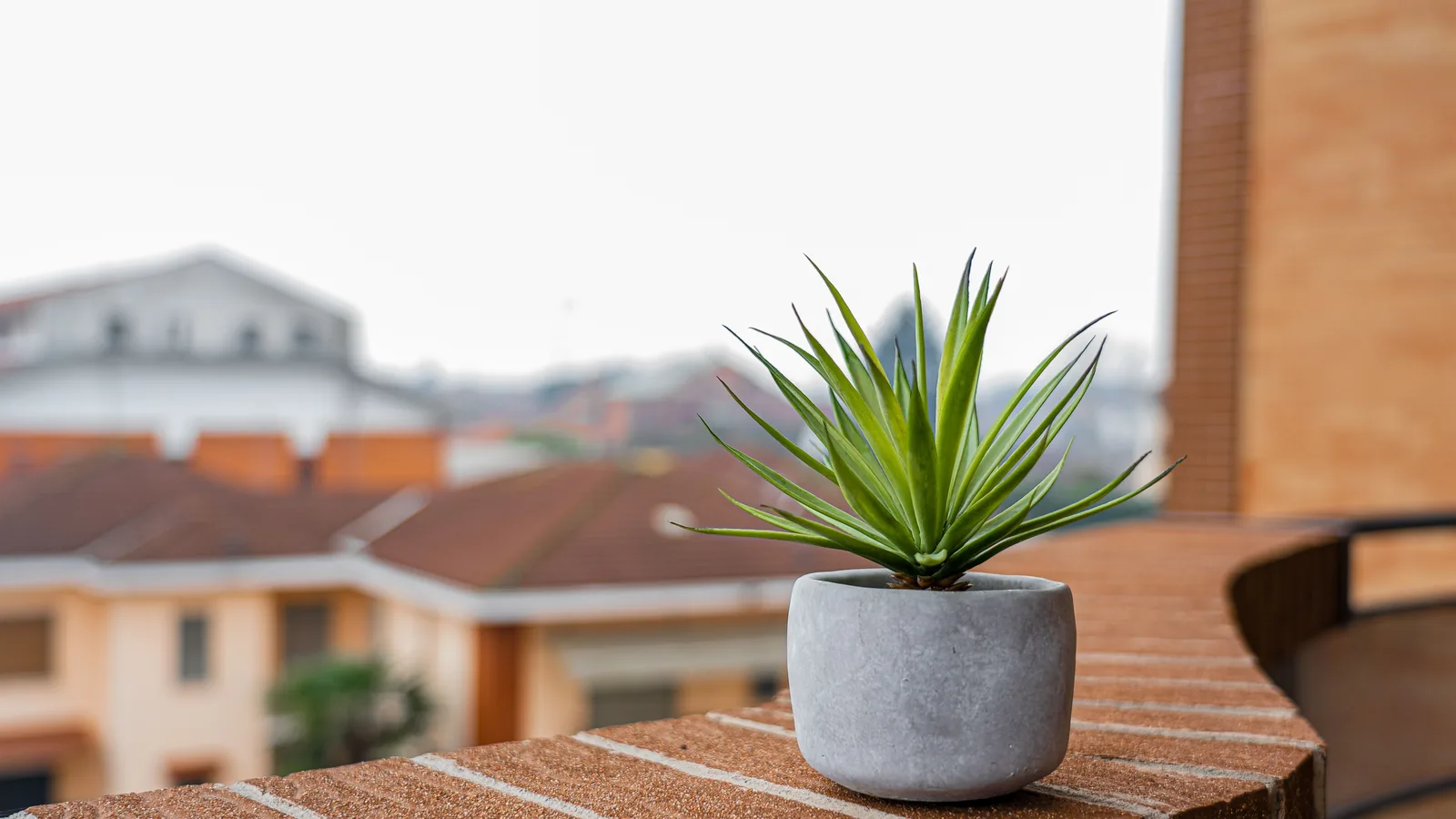
HOA balcony plant rules are a document question, not a gardening question. Florida's condominium statute lets the declaration say who maintains a limited common element and who pays. It does not name ferns, pots, or railing boxes. A plant on a St. Petersburg rail or a Tampa slab is allowed when the declaration and the rules allow it, and not when they do not. Bay Balcony washes around the pots you are allowed to keep. We do not vote on them.
This is general information about how Florida condominium documents usually work, not legal advice. Your declaration governs, and a Florida community association attorney can read it with you.
Where do balcony plant rules actually live?
People text us "the board said no plants" as if that sentence were a statute. It is not. The statute tells you which document is allowed to decide. A limited common element, which is what most balcony floors are, can be maintained by the people who use it, or by the association, as a common expense or as a cost shared only by those users. The declaration has to say which.
The declaration may provide that certain limited common elements shall be maintained by those entitled to use the limited common elements or that the association shall provide the maintenance, either as a common expense or with the cost shared only by those entitled to use the limited common elements.
Source: Florida Statutes s. 718.113The rules pillar walks the rest of the documents. This page is only the plant question.
What can a board regulate without inventing a plant code?
Weight, drainage, what is visible from the street, and whether a pot is fastened to the rail. Those are ordinary rule subjects. A ban on "anything alive" is also something a declaration can say. What a board cannot honestly claim is that Chapter 718 names the species. If the letter cites no section of your declaration, ask for the section.
Pinellas and Hillsborough associations write this differently. A Beach Drive tower may care about a pot above the rail line because the street can see it. A Channelside loft may care because the scupper is small and a saucer floods the neighbor. Same plant, different sentence in the rules. Read the sentence that names your building. A lanai with a screen cage is a third case: the lanai page is the wash, and the plant rule is still the declaration's.
How do pots interfere with the wash?
A saucer over a scupper holds the rinse we need to leave the slab. A vine on the rail holds water against the coating the way a towel does. We shift pots, wash, and put them back where you had them, if we can lift them. A planter bolted to the railing is not shifted. Tell us before the day.
Soil on the glass is a film, not a rules violation. The glass page is the wash. The rule about whether the pot may stay is yours to settle with the association. A recurring visit, if the film returns every humid month, is the same rate on a schedule, described on the recurring page.
What should you send the board, and what should you send us?
| Question | Ask the association | Tell the cleaner |
|---|---|---|
| May the pot stay? | Which rule, and does it bind the rail or only the slab? | Whether we should expect pots on the day |
| Who maintains the slab? | The declaration's assignment | Nothing. The rate does not change |
| Drainage | Whether a saucer over the scupper is already a violation | So we do not wash into a blocked drain |
We do not write the board letter. We do wash the floor the pots were standing on, in downtown St. Petersburg and in Tampa, at the same rate as a bare slab.
Does a renter follow a different plant rule?
The declaration binds the unit. The lease can be stricter. A renter who puts a railing box on a building that banned them has a lease problem and a rules problem. We will still wash the rail if the owner or the manager books the visit. We will not referee the lease.
A useful test, used on both sides of the bay: can the plant be lifted by one person, does it cover the scupper, and does any part rise above the rail line a person on the sidewalk can see? Those three checks are not a statute. They are the questions boards in St. Petersburg's core and in Tampa actually write letters about. If your letter names a different test, that letter wins.
The responsibility guide is who pays for the balcony itself. Plants are not a line on that bill unless the declaration made the slab the owner's to maintain and the pot damaged it.
What is a reasonable plant practice while you wait on the rule?
Keep the saucer off the scupper. Keep the vine off the coating. Do not fasten a box to a glass shoe. Those three habits protect the balcony whether the board's letter is slow or already strict. They are not legal advice. They are how a wash goes faster.
A pot that sits in shade on the north side of a Tampa tower stays wet longer than the same pot on a west rail that gets the afternoon sun. West Central Florida's rainy season, late May into early October for this part of the state, is when that difference shows up as a black film on the slab under the saucer. The plant is not the problem. The water the saucer refuses to let leave is the problem. Empty the saucer after a storm. The wash cannot do that on the days we are not there.
If the association's letter is already in hand, send it with the photo. We will not interpret it. We will avoid putting a pot back on a rail the letter says must stay clear, and we will say so in the text with the finished photos. That is a courtesy, not a legal opinion, and it is the same in Pinellas as in Hillsborough.
If the maintenance is to be by the association at the expense of only those entitled to use the limited common elements, the declaration shall describe in detail the method of apportioning such costs among those entitled to use the limited common elements.
Source: Florida Statutes s. 718.113Cost sharing for the slab is that sentence. A plant does not create a new apportionment. If someone tells you the fern changed who pays for the rail, ask them to point at the declaration. A photo of the pot and the scupper is enough for us to price the wash. The letter, if you have it, rides along so we do not put a box back where the building has already said it cannot stay.
Text a photo of the balcony if you want the visit priced before you book.
Text us a photoFrequently asked questions
Is there a Florida law that allows balcony plants?
No statewide pot list. The declaration and the rules adopted under it are where permission lives.
Can a board ban railing boxes and allow floor pots?
If the recorded documents say so, yes. Ask for the section rather than the summary in the newsletter.
Will you throw plants out?
No. We move what we can lift, wash, and put it back. A pot we cannot lift stays, and we wash around it.
Do plants change the price?
The rate is the floor. Pots on that floor are not a surcharge.
What if the pot blocked the drain and stained the ceiling below?
That is a damage question for the declaration's maintenance assignment, not a cleaning surcharge. We can wash the film. We cannot repair the ceiling.
Does this apply to a homeowner association that is not a condo?
An HOA's declaration can restrict outdoor items too. This page's statute quotes are the condominium statute. A non-condo HOA should be read from its own documents.
Sources
- Florida Statutes s. 718.113, maintenance of limited common elements. www.flsenate.gov
- National Weather Service, Tampa Bay rainy season, for why a saucer stays wet. www.weather.gov