Clear a Stuck Slider Channel
Grit hides in the bottom channel, not on the pane. Sweep it, wipe it, and do not blow it off the slab.

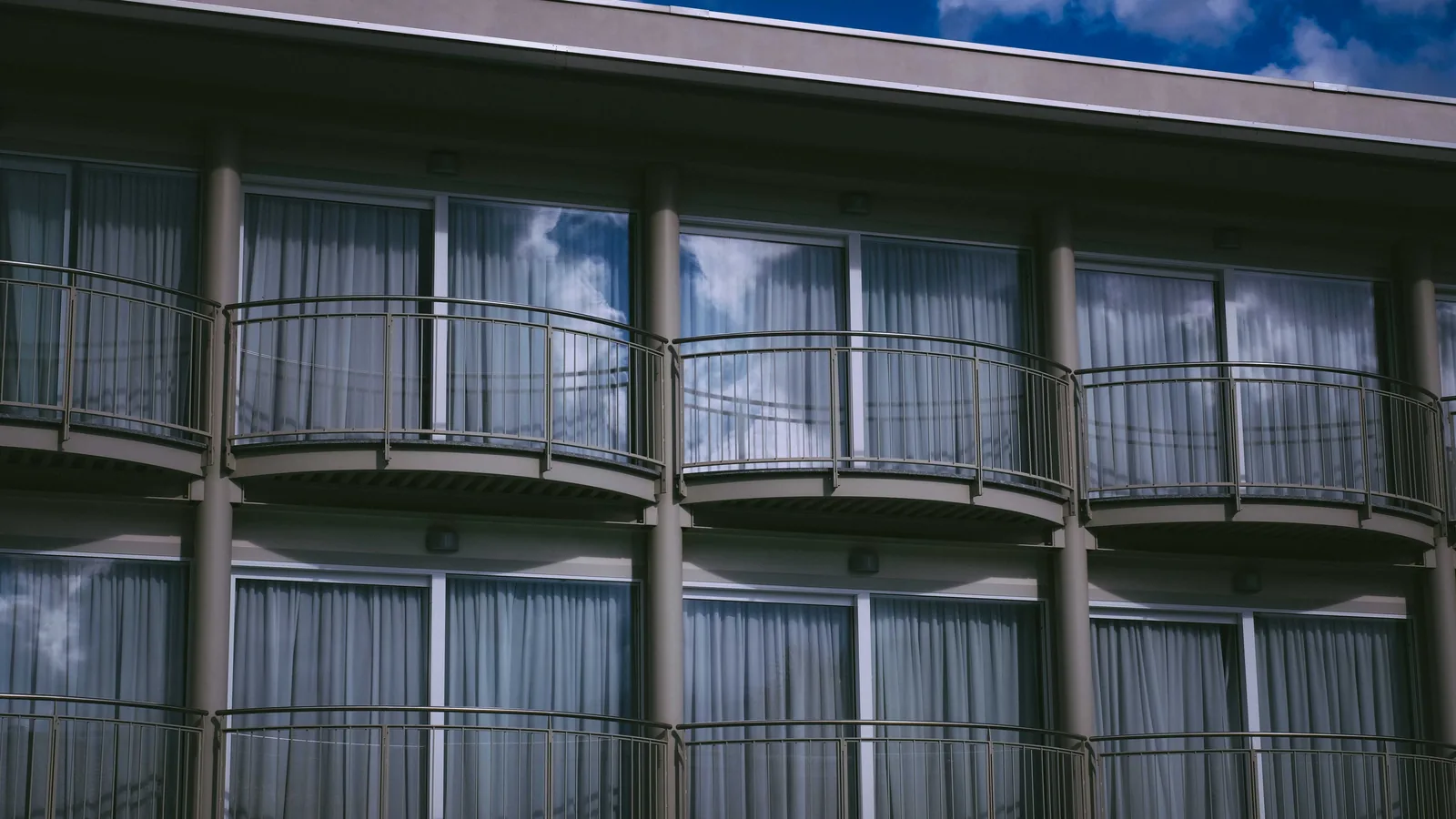
To clean a sliding door track, lift the grit out of the bottom channel, wipe the sill, and keep every bit of it on your side of the rail. The door sticks because the channel is full, not because the glass is dull. In downtown St. Petersburg and Tampa that channel is part of the same $2 wash as the floor.
The pane can be clear and the door can still grind. That grind is sand, drywall fines, and a leaf paste sitting in a channel an inch wide. People wash the glass because they can see it. The door is voting about the track.
Florida towers make this worse. A gulf breeze pushes grit to the sill, a short rain turns it to mud, and the next dry day bakes it. Hillsborough and Pinellas sliders do the same thing. The brand of the door does not change the physics.
Why does the track stick before the glass looks dirty?
The glass is vertical. Rain sheets off it. The track is a trough. Everything that lands on the balcony eventually gets walked or blown into that trough, and nothing sheets off.
A sticky door is often the first sign a balcony needs a wash, ahead of the rail and ahead of the floor color. If you only do the pane, you have cleaned the part that was already winning.
The no-hose method starts on the floor for this reason. The track is the floor's edge. Leave it and the floor looks done while the door still complains.
What is actually in the channel?
On a downtown balcony the mix is usually sand, construction fines, pollen, and the odd screw the installer left. After a windy week you may find a line of salt crystals. After a neighbor's demo you may find white dust. None of that belongs in the roller path.
We do not need a lab test to lift it. We need a vacuum or a damp cloth and a bag. If the channel smells like a drain, the weep hole may be packed, which is the next section, not a different product.
A lanai visit sees the same trough on a screened porch, plus the mesh dust that falls when you brush a screen. The order does not change. Screens first would dump more dust into a channel you just cleared.
How do you clear it without a hose?
Open the panel as far as it goes. Pick out the obvious debris with a hand, not a blast of air. Vacuum or wipe the remaining grit into a cloth. Dampen what has pasted itself to the metal. Wipe again. Bag the cloth.
Do not run a hose along the channel toward the outside. On a tower that water leaves the slab. EPA's renovation notes are about covering the ground so work debris does not travel. A finished balcony is not a renovation, and the same idea still holds: the grit stays on a surface you control.
If you are doing this yourself, a soft brush and a damp cloth are enough for a month of dust. A channel that has not been opened in a year may need the full floor wash, because the paste has spread onto the sill and the first tile.
What about rollers and weep holes?
Rollers you can see get a wipe so grit stops grinding them. A roller that has cracked, flattened, or jumped the rail is a hardware repair. We do not replace rollers, and a wash will not make a broken wheel round again.
Weep holes are the small slots that let incidental water leave the channel. If they are packed with the same grit, water sits and the door grows a swamp. Clear them with a soft pick, from the inside, and catch what comes out. Do not stab through to the outside face.
Section 718.113 assigns limited-common-element upkeep as the declaration says. In many downtown buildings the slider hardware the resident uses is the resident's item, and the wall around it is not. Read your maintenance chart before you ask the association to rebuild a dirty track. Dirt is not a failed frame.
Is the track a separate charge?
No. Sliding door track cleaning on this site is the channel work inside the balcony visit. The charge follows the slab, at $2 a square foot. A 10 by 8 floor is $160, channel included, with no minimum.
Measure the floor if you want the number before you book. The measuring guide is length times depth of the slab, not the length of the channel. We do not bill the metal by the foot.
The condo page covers the same channel in both cities. If the only complaint is the grind, say so in the text. We still walk the floor, because a dirty channel usually means a dirty corner beside it.
A two-panel slider hides a second channel behind the first panel. If you only clean the channel you can see with the door closed, the door will grind on the next rainy week when you open it fully.
Tampa Bay humidity makes a wiped channel feel dry and then tacky an hour later. That tack is residue, not new sand. A second dry cloth fixes it. A hose does not.
If the frame itself is bent, or the panel falls out of the pocket, stop. That is a carpenter or the association, depending on the declaration. Cleaning a bent frame just makes the bend easier to see.
St. Petersburg waterfront sliders collect the same sand as Tampa ones. The bay does not care which downtown you face. The bag still stays on your side of the rail.
Section 718.113 makes the association responsible for common-element maintenance unless the declaration names the resident for upkeep of an area only that unit uses.
Source: section 718.113, 2026EPA's renovation page tells crews working outside to keep debris from traveling. A door channel is not a renovation, and the containment idea is the part we borrow.
Source: EPA renovation steps| Step | Tool | Do not |
|---|---|---|
| Open the panel | Your hand | Force a panel that has jumped the rail |
| Lift loose grit | Vacuum or dry cloth | Blow it toward the edge |
| Wipe the paste | Damp cloth, then a bag | Rinse toward the weep and walk away |
| Clear weep slots | Soft pick, catch the debris | Poke through to the outside |
| Check the roller | A look and a wipe | Call a wipe a repair |
Five moves. The one people skip is the bag, and that is the one the neighbor notices.
A photo of the open channel tells us whether this is grit or a broken roller.
Text a photoFrequently asked questions
Do you pull the door off the frame?
No. We clean the channel we can reach with the panel open. Lifting a panel out is a repair move, and we do not do it.
Will a clean track fix a door that jumps?
No. A jumped panel needs the hardware looked at. We will tell you if the grind is grit or if the wheel is done.
Can I use a pressure washer in the channel?
No. It drives water into the sill and off the slab. The channel is a wipe, not a blast.
How often does a waterfront track need this?
More often than an inland one. Salt and sand arrive on the same breeze. Quarterly is common on the bay. The floor price does not change with the calendar.
Is the screen track included?
If the screen is on the same visit, its track gets the same wipe. A torn spline is not included. We clean mesh. We do not rescreen.
What if the track is on a lanai, not a balcony?
Same method, same rate, as long as we can stand on the floor and nothing has to go over a rail. Screened porches in St. Pete and Tampa are a normal visit.
Sources
- Florida Senate, section 718.113 (2026): the association maintains the common elements, except where the declaration assigns limited-common-element upkeep to the owner. flsenate.gov
- U.S. EPA, renovation steps for work outside a building: keep debris from traveling, and cover the ground when material can fall. The page is about renovation containment, not door hardware. epa.gov