Bird Droppings on a Balcony
A few spots are a wipe and a bag. A roost pile is a different job, and it is not a $2 wash.

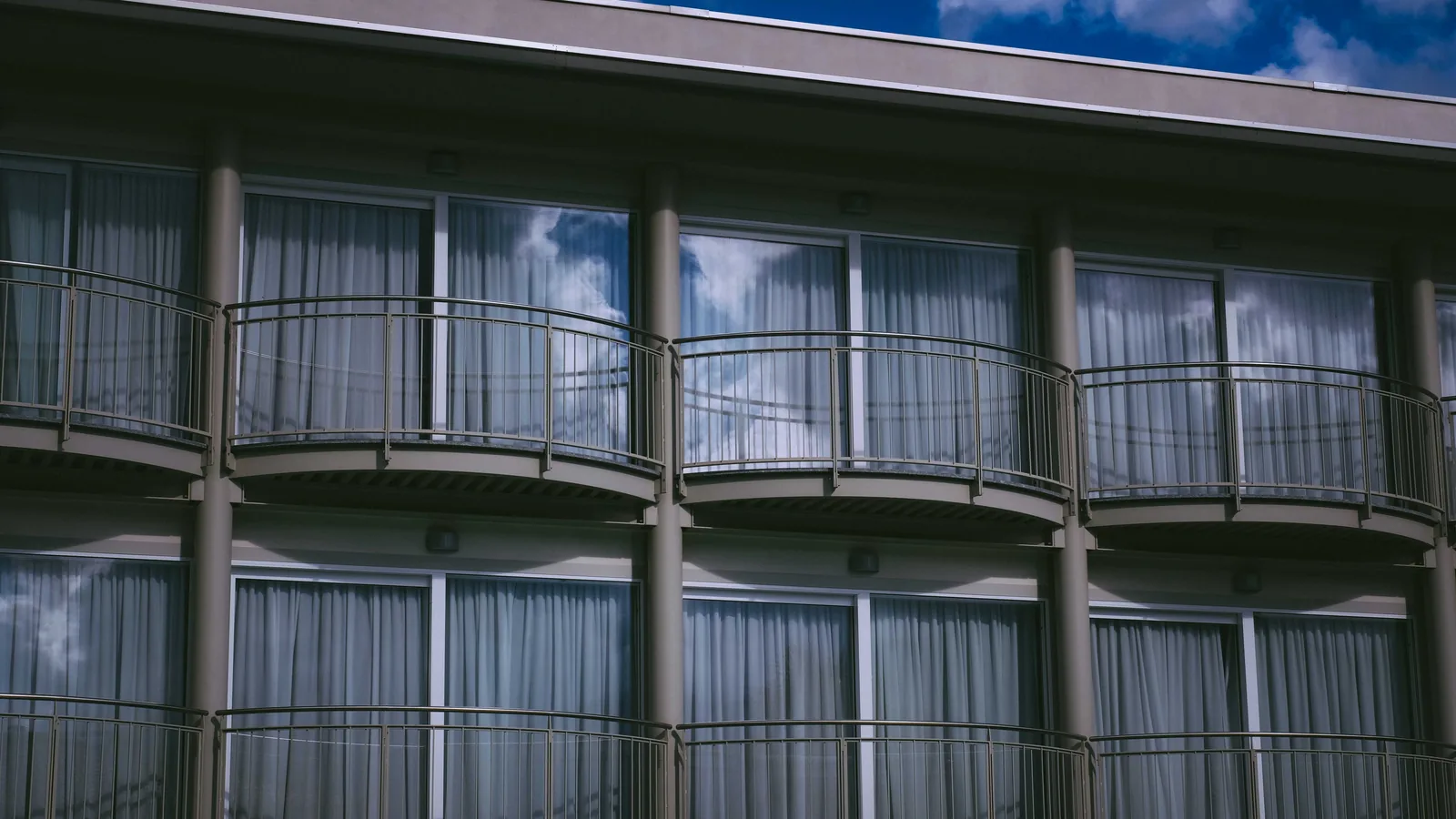
Bird droppings on a balcony are the white and gray streaks on the rail cap, the glass, and the floor under a perch. A few dried spots are a wipe, a bag, and a wash of that patch. A thick accumulation is not the same job. CDC treats large amounts of droppings as a cleanup for firms that handle that waste.
Downtown St. Petersburg rails and downtown Tampa rails both collect this. Gulls use a glass cap as a perch. Pigeons use the shade under a soffit. The mess looks similar from the sofa and behaves differently once you are close.
Salt streaks run in vertical lines once the bay has blown for several days. Droppings sit in blobs, often with a seed or a feather, and they etch a dull circle into a painted cap if they stay wet. Hard-water spots are round and clear. Do not treat all three with the same story.
What do droppings do to a rail?
On a powder-coated aluminum cap the uric acid dulls the color in a patch. On glass it leaves a cloudy spot that people mistake for failed sealant. On concrete it stains a ring that a light wipe will not lift after a month of sun.
The salt-air page is the other common mark on the same cap. Salt is a film. Droppings are a deposit. If you scrub salt film as if it were a deposit, you wear the coating for no reason.
A glass rail shows the spot twice, once on the pane and once as a shadow on the floor. Clean the pane and the floor on the same visit or the floor spot reads as a miss.
Is a fresh spot a health cleanup?
CDC's environmental note is narrower than the hallway version. Histoplasma grows especially well in soil that holds a large amount of bird or bat droppings. Fresh droppings on a sidewalk or a windowsill likely do not pose that risk, because birds themselves are rarely infected. Bats are a different case.
A few spots on a condo rail are closer to the windowsill example than to a chicken coop or a cave. That is not a promise that nothing in the spot can irritate skin or eyes. It is a reason not to treat a Tuesday splatter as a hazmat event, and not to treat a two-inch pile in the corner as a Tuesday splatter.
If the pile is deep, dry, and clearly a roost, stop. CDC says large amounts should be cleaned by companies that specialize in that waste. We are not that company. We will say so and leave it.
How do you remove a few spots?
Do not scrape a dry blob. CDC's control notes say to avoid shoveling or sweeping dry dusty material that may be contaminated, and to wet it first. A balcony spot is small, but the same habit applies: dampen, wipe into a bag, then wash the patch.
Hold the wipe on your side of the rail. Flicking the mess outward is how it lands on the neighbor. The no-pressure page is the same rule in a different sentence: water and waste stay on the slab.
Glass wants a second pass with a clean cloth, or the smear replaces the spot. The glass method covers that pass. Droppings are just the reason the first cloth gets thrown out.
When is it no longer a wash?
A wash includes the spots we can wipe as we go. It does not include a corner packed inches deep, a screen caked shut, or a pile you can smell from the slider. Those need a different contractor, and sometimes the association, before anyone scrubs the floor around them.
Glass and railing cleaning still covers the reachable pane and the cap once the pile is gone. We will not quote a roost as if it were a film of dust.
If you are unsure which you have, send a photo. A photo of a few streaks gets a normal price. A photo of a mound gets a no, with the reason.
Will the mark come back?
Yes, if the bird is still perching. A wash does not move a gull. Spikes, wire, and gel are building decisions, often restricted by the declaration because they change the look of the rail. We do not install them.
Florida waterfront buildings see this more than inland ones, and a high floor is not immune. Gulls like the view too. Hillsborough and Pinellas both get the same visitors. The difference is how long the spot sits in the sun before someone wipes it.
Book the wash for the stain you have. If the perch is a daily event, a recurring visit keeps the cap from etching. It still will not evict the bird.
Screens hold a different version of the same mess. A dried spot on mesh goes brittle and tears if you scrub it dry. Wet the mesh, wipe from the inside, and do not lean out to chase the outside face.
Tampa Bay gulls and downtown pigeons are not a species lecture. The practical split is perch versus pile. A perch leaves spots. A pile means the corner has been a toilet for weeks.
CDC notes that fresh bird droppings on a sidewalk or windowsill likely do not pose a histoplasmosis risk, because birds themselves are rarely infected.
Source: CDC, NIOSHCDC says large amounts of bird or bat droppings should be cleaned by firms that specialize in that waste, and that dry dusty material should be wetted rather than swept.
Source: CDC cleanup notes| What you see | Closer to | What we do |
|---|---|---|
| One or two fresh blobs | A windowsill splatter | Dampen, wipe, bag, wash the patch |
| Dull circles on the cap | Acid that sat in the sun | Wash the mark; coating may stay dull |
| A dry mound in the corner | An accumulation | Stop and say so |
| Vertical slick lines | Salt, not a bird | Different page, same visit |
Name the mark before you name the product. Most balcony arguments start by mixing these up.
A photo of the rail is enough to tell a splatter from a roost.
Text a photoFrequently asked questions
Do droppings etch glass the way people say salt does?
Salt does not etch glass. Droppings can leave a cloudy patch if they sit. The patch is soil and dulling, not a hole in the pane.
Should I bleach the rail?
A bleach splash on a coated cap can fade the powder coat, and the runoff is still runoff. Dampen and wipe. Skip the bucket of bleach.
Can I hose the spots off?
Not over the rail. The waste has to stay on your slab and leave in a bag or a bucket. A hose is how it becomes the neighbor's problem.
Will you guarantee the stain vanishes?
No. A fresh spot usually lifts. A circle that baked on for a season may stay as a dull patch. We will say which one the photo looks like.
Is this covered at $2 a square foot?
A few spots on a visit you already booked, yes. A roost pile, no. The rate is for the floor wash, not for hazardous-waste removal.
Who keeps the birds off?
The building, if anyone. Deterrents change the rail and usually need approval. We clean. We do not install spikes.
Sources
- CDC, NIOSH: Histoplasma grows especially well in material with large amounts of bird or bat droppings. Fresh bird droppings on sidewalks and windowsills likely do not pose a histoplasmosis risk, because birds themselves are rarely infected. cdc.gov
- CDC: large amounts of bird or bat droppings should be cleaned up by companies that specialize in hazardous-waste removal. Avoid sweeping dry dusty material; wet it first. cdc.gov