Saharan Dust on a Tampa Balcony
The plume rides a mile up. What reaches your rail is a fine film, and a hand wash lifts it.

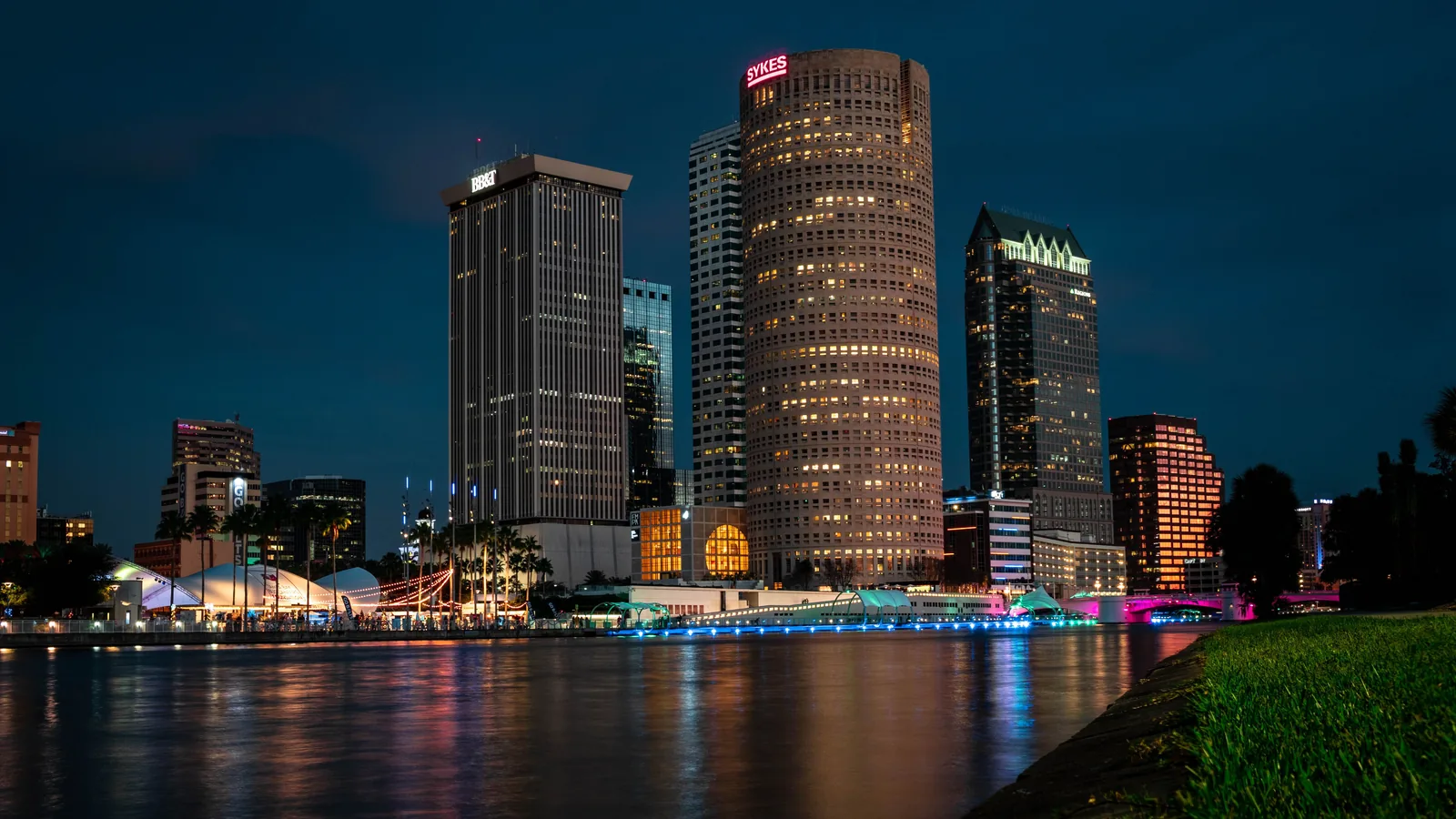
Saharan dust on a Tampa balcony is the fine film that can settle after a summer plume crosses the Atlantic. NOAA describes the layer as starting about a mile up, so this is not a ground-level sandstorm. What reaches a rail is haze that has dropped. A hand wash lifts that film. It does not stop the next plume.
People in downtown Tampa text a photo of a butter-colored sky and ask if the balcony is dirty or if the air is. Often both. The sky is the plume. The rail is whatever portion of that dust has actually settled, plus the ordinary salt and pollen that were already there.
St. Petersburg sees the same sky. Harbour Island and Channelside see it with more glass, so the film shows up sooner. A tower in the core sees it on the rail cap first, because that is the horizontal surface.
What is the Saharan air layer?
NOAA's satellite office describes a layer about 2 to 2.5 miles thick, with its base about a mile above the surface. It forms when tropical waves along the south edge of the Sahara loft dust. The warmth, the dry air, and the wind in that layer can suppress tropical cyclones. That is why forecasters watch it.
A layer whose base is a mile up is not a cloud of sand at slider height. Dust still reaches the surface. NOAA notes hazy skies, and sunrises and sunsets that go vivid, when a plume arrives over the Gulf coast and Florida. The film on a rail is the part that settled, not the whole plume.
We do not forecast it. We wash what you can feel. If the sky is orange and the rail is clean, you do not need a booking because of the color.
When does it reach Tampa Bay?
NOAA says the busy stretch is a summer pattern, beginning around the middle of June and running hardest into August, with a fresh outbreak every few days in those weeks. Individual outbreaks can reach Florida, Central America, and Texas. That is a season, not a promise that every June week will coat your glass.
A June 2025 satellite note described one plume crossing the Atlantic from late May into early June, with hazy skies where it arrived. That is an example of a tracked event, not a claim that this month matches it. Check a current forecast if you need today's sky. This page will not invent one.
Hillsborough and Pinellas share the season. Beach Drive does not get a private plume, and inland Tampa does not get a pass. The difference is how much salt is already on the rail when the film lands.
How is this film different from job dust?
Job-site grit is coarser. It crunches. It arrives from a direction you can point at, a cut saw or a dumpster. Saharan film is finer. It dulls a table evenly, with no pile in the corner unless the wind drifted it there.
The Channelside dust page is the coarse version. Do not book that advice for a haze event, and do not book this page for a jackhammer. The wash is similar. The source is not.
Salt is the third film. It feels slick, shows up after a windy day on the bay, and does not require a plume. If your rail was already salty, the dust lands on salt. One visit still covers both. We do not itemize the sky.
What does a wash actually remove?
The settled film, the salt under it, and the ordinary dirt in the track. We do not remove dust that is still in the air, and we do not coat the glass with anything that claims to repel the next plume. There is no such coating in the visit.
Tampa balcony cleaning is the visit: the floor, the rail, glass you can reach, the mesh, and the slider channel. Billing holds at $2 a square foot. Harbour Island uses that same rate. A hazy week does not add a fee.
The method stays a bucket. A plume is a poor excuse for a pressure washer, and a poor excuse for rinsing toward the edge. The dust you can see is already down. Keep it on the slab while you lift it.
Should you book before or after the plume?
After, if the film has settled and you want it gone. Before, only if the balcony was already due and you would rather start the season clean. Washing the morning a thick plume arrives means the rail can film again that afternoon. That is weather, not a failed wash.
The how-often guide is the calendar for pollen, storms, and ordinary salt. This page is the one summer event people confuse with all three. Use it to name the film. Use the calendar to decide the year.
If a storm follows the haze, switch to the after-a-storm sequence: check the slab, take pictures, pick up what is loose, then wash. Do not start with a hose because the sky was orange yesterday.
A mile-high layer can still leave a car dusty and a rail dusty on the same morning. That does not mean the balcony was sandblasted. It means a little dust fell out. Little dust is a wipe, not a restoration.
Gulf sunsets go loud during these weeks. That is the light scattering off dust still in the air, which NOAA notes. Enjoy the sky. Book the rail when the glass looks milky in daylight, not because the evening was pretty.
Pinellas waterfront glass shows the film earlier than a shaded inland balcony, because you look through it at the bay. The amount of dust may be the same. The complaint arrives sooner.
A booking in St. Petersburg uses the same floor price as one in Tampa. The plume does not pick a downtown. Neither does the wash.
NOAA describes the Saharan Air Layer as about 2 to 2.5 miles thick, with its base about a mile above the surface, able to reach Florida.
Source: NOAA NESDISA June 2025 NOAA satellite note said a plume reaching the United States can mean hazy skies and vivid sunrises and sunsets.
Source: NOAA NESDIS, June 2025| Sign | More likely | Booking |
|---|---|---|
| Even dull film, orange sky | Settled plume dust | Wash after it settles |
| Crunch in the track, a job nearby | Construction fines | Wash the grit; different page |
| Slick cap after a bay wind | Salt | Ordinary visit |
| Leaves and standing water | A storm, not a plume | Wait until the building reopens |
Name the film before you name the week. The rate does not change either way.
If the rail feels dusty after a hazy week, a photo is enough.
Text a photoFrequently asked questions
Is Saharan dust dangerous on a balcony?
This page does not make a health claim. NOAA describes the layer as a weather feature that can haze the sky. If you want a health read, use a public health source, not a cleaning visit.
Will the dust scratch the glass?
A fine settled film does not scratch if you lift it. Grinding it with a dry cloth can. Dampen first, the same way you would any grit.
Do you come during the plume?
We come when the building is open and the slab is safe to stand on. We do not chase a forecast, and we do not work in a storm.
Does the price go up in June?
No. Billing stays at $2 a square foot in plume season and in January. The sky is not a surcharge.
Is this the same as pollen?
No. Pollen is seasonal too, and it clumps. Plume dust is a finer, more even film. They can land in the same month. One wash covers both.
Should Harbour Island book more often than the core?
Only if the glass bothers you sooner. The dust does not respect the bridge. The rate does not either.
Sources
- NOAA NESDIS, on the Saharan Air Layer: the layer is about 2 to 2.5 miles thick with its base about a mile up; activity typically ramps up in mid-June and peaks from late June to mid-August; outbreaks can reach Florida. nesdis.noaa.gov
- NOAA NESDIS, June 2025 satellite note: a plume crossing the Atlantic can mean hazy skies and vivid sunrises and sunsets over the United States, and can suppress thunderstorms where the dust is thick. nesdis.noaa.gov