Construction Dust on a Channelside Balcony
Grit from a job site settles in the track and the corners. A hand wash lifts it before it cakes.

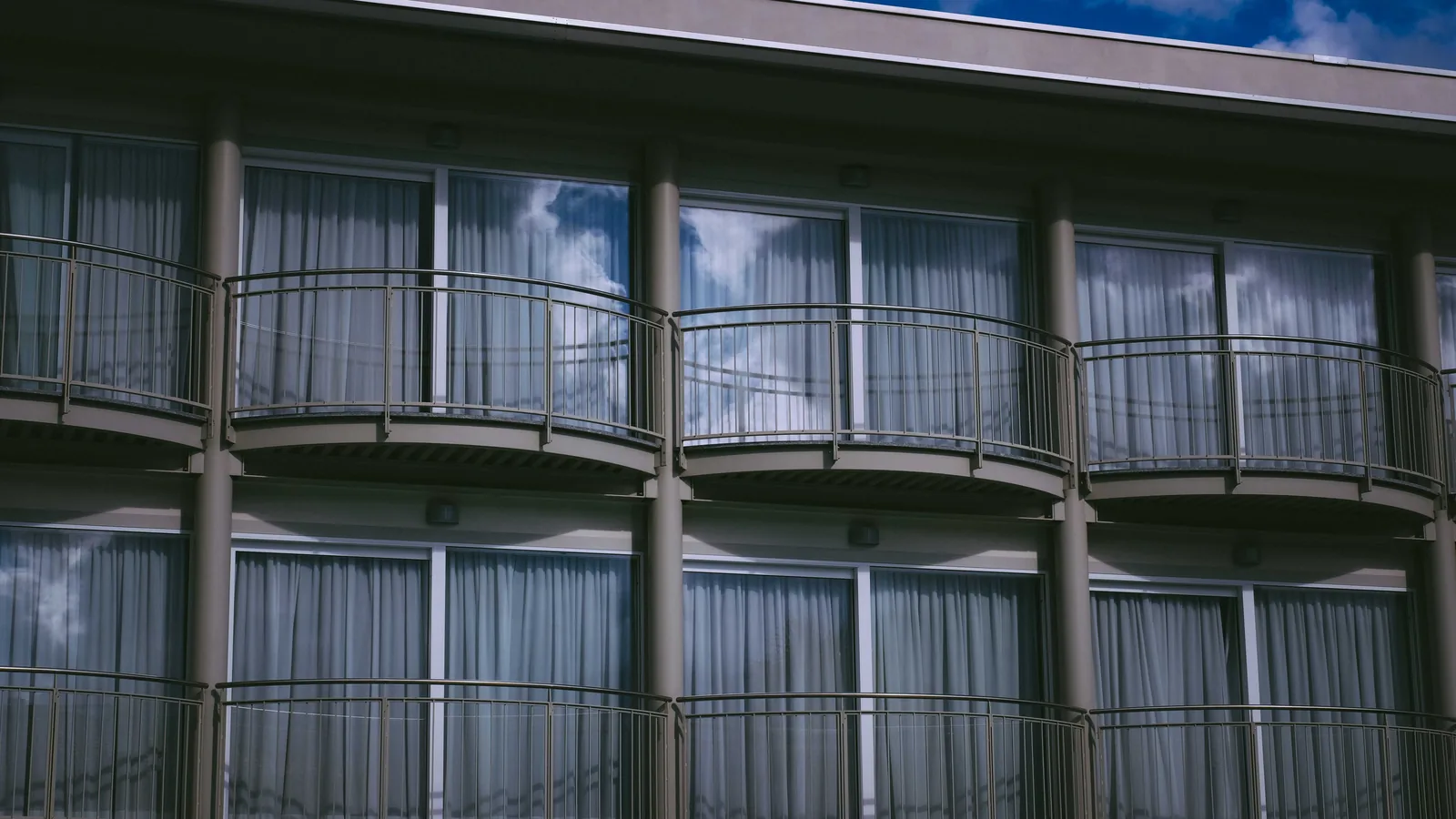
Construction dust on a Channelside balcony is the fine grit that drifts off a street cut, a tower remodel, or a neighbor's demo and settles on the slab. It is a film you can feel. It is not a stain yet. At $2 a square foot a hand wash lifts it before it cakes into the track.
Channelside sits on the cruise side of downtown Tampa, with Water Street a short walk inland and Harbour Island across the channel. When a crew cuts concrete or a unit is gutted, the fines do not stay on the job. A gulf breeze pushes them onto the nearest open slab.
You notice it as a gray veil on the table, then as a crunch under the slider. The glass can still look acceptable. The floor tells the truth. If you drag a dry finger along the rail cap, the finger comes back dusty.
What lands on a Channelside balcony?
Three sources show up on the same rail. Street work throws a pale grit. A remodel one floor up sheds drywall fines that look almost white. A demo on a lower deck throws darker concrete dust that sticks when the air is humid.
Salt feels slick and shows up once a bay wind has blown for a few days. Job-site grit feels dry and collects in lines, the way sand collects in a shoe.
Hillsborough afternoons add a wrinkle. The dust lands dry, then a short rain turns the film into a paste. Leave that paste and it hardens in the track. That is the window a wash is for.
Where does the grit actually sit?
Most of it is not on the glass you notice from the sofa. It is in the bottom channel, in the outside corner the broom misses, and in the shadow under a planter. The rail cap holds a thinner coat. The sill holds the pile.
A floor cleaning visit treats that pile as part of the slab, not as a surprise add-on. We lift it, we do not rinse it toward the edge.
If the dust has already mixed with pollen, the color goes yellow-gray. That mix still comes up with a scrub. It does not need a different product, and it does not need a hose.
Is a nearby job the association's mess?
Sometimes the building is mid-project and the dust is theirs to manage. Sometimes a neighbor opened a unit and the fines drifted. The wash does not decide that argument. The recorded declaration, not a cleaning visit, says who must keep that slab. The statute opens on the association, then allows that document to pass the chore to the people who use the space.
A dusty rail can be your cleaning item even when the jackhammer belongs to someone else. Read the maintenance section before you send the manager a bill for a film you could have wiped. If the declaration is silent, that silence is a document question, not a cleaning one.
This is general information about how Florida condominium documents usually work, not legal advice. Your declaration governs, and a Florida community association attorney can read it with you.
We photograph what we find. You can hand that photo to the manager. We do not write the demand letter, and we do not promise the association will pay.
How do you lift it without a hose?
Dry grit wants to become airborne. Blowing it off the slab sends it to the balcony below, which is the thing downtown towers forbid. The working order is the opposite: pick up the piles, dampen what is left, scrub, and extract the water back into a bucket.
The bucket method is the same sequence we use when there is no job site at all. Dust just makes the first pass matter more. Skip it and the scrub turns the film into mud.
EPA's renovation guidance is about containing work dust on a job, not about washing a finished balcony. The useful line for a resident is the containment idea: keep the debris on a surface you control, and do not let it travel. On a tower slab, that surface is the floor, and the exit is a bucket, not the rail.
What does a dusty slab cost?
The price is the floor, not the drama of the job site next door. A typical downtown balcony around 80 square feet is $160. A short one around 50 is $100. A corner around 120 is $240. There is no dust surcharge and no trip fee.
Tampa balcony cleaning uses that same rate in Channelside, on Harbour Island, and in the core. If the film is only in the track, it is still part of the visit. We do not invoice the channel by the inch.
If a storm has just pasted the dust down, book the after-the-storm wash once the building has reopened. Same rate. We do not go out while it is still blowing.
Water Street's newer glass and Channelside's older rails catch the same breeze. The difference is the track. A deep channel holds a week of fines. A shallow sill shows them sooner and sheds them into the corner.
If you are renting, the lease may call the balcony a resident item even when the declaration calls the slab a limited common element. Those two documents answer different questions. The wash does not reconcile them.
When renovation work happens outside, EPA says to cover the ground so debris does not travel, and to extend that cover when the work is above the first floor.
Source: EPA renovation stepsSection 718.113 opens on the association for common-element upkeep, and lets the declaration give that exclusive-use area to the residents who use it.
Source: section 718.113, 2026| What you see | What it usually is | What a wash does |
|---|---|---|
| Pale veil on the table | Drywall or concrete fines | Lifts if it has not cemented |
| Crunch in the slider | Grit in the channel | Swept, then wiped |
| Dark paste after rain | Dust plus a shower | Scrubbed and extracted |
| Slick film after a bay wind | Salt, not job dust | Different mark, same visit |
Job-site grit and salt can share a rail. They do not look the same up close.
If the film is already in the track, a photo is enough to price the wash.
Text a photoFrequently asked questions
Does construction dust damage the glass?
A dry film does not etch glass. Left wet and walked through, it can scratch if you drag grit across the pane. Lift it. Do not grind it.
Should I complain to the contractor first?
If the crew is still on site, a photo to the manager is reasonable. The wash can still happen the same week. One does not cancel the other.
Will one wash keep it off?
No. A job that runs for months will send more fines. The wash removes what has landed. It does not seal the air.
Do you pressure wash the dust off?
No. Downtown towers do not want a pressure washer on a slab, and the water would leave the rail. The method is a bucket and a scrub.
Is Channelside the only Tampa spot this happens?
No. Harbour Island and the downtown core get the same drift when a project is close. Channelside is where the waterfront jobs stack up.
Sources
- Florida Senate, section 718.113 (2026): maintenance of the common elements is the association's, except where the declaration assigns a limited common element to the unit owner. flsenate.gov
- U.S. EPA, steps for renovation work outside a building: cover the ground so debris does not spread, and extend the cover when work is above the first floor. That page is about renovation containment, not a finished balcony. epa.gov