When Does Pollen Coat a Florida Balcony?
Florida does not keep the northern calendar. Trees, grasses, and weeds overlap, and the yellow dust is not always the sneeze.

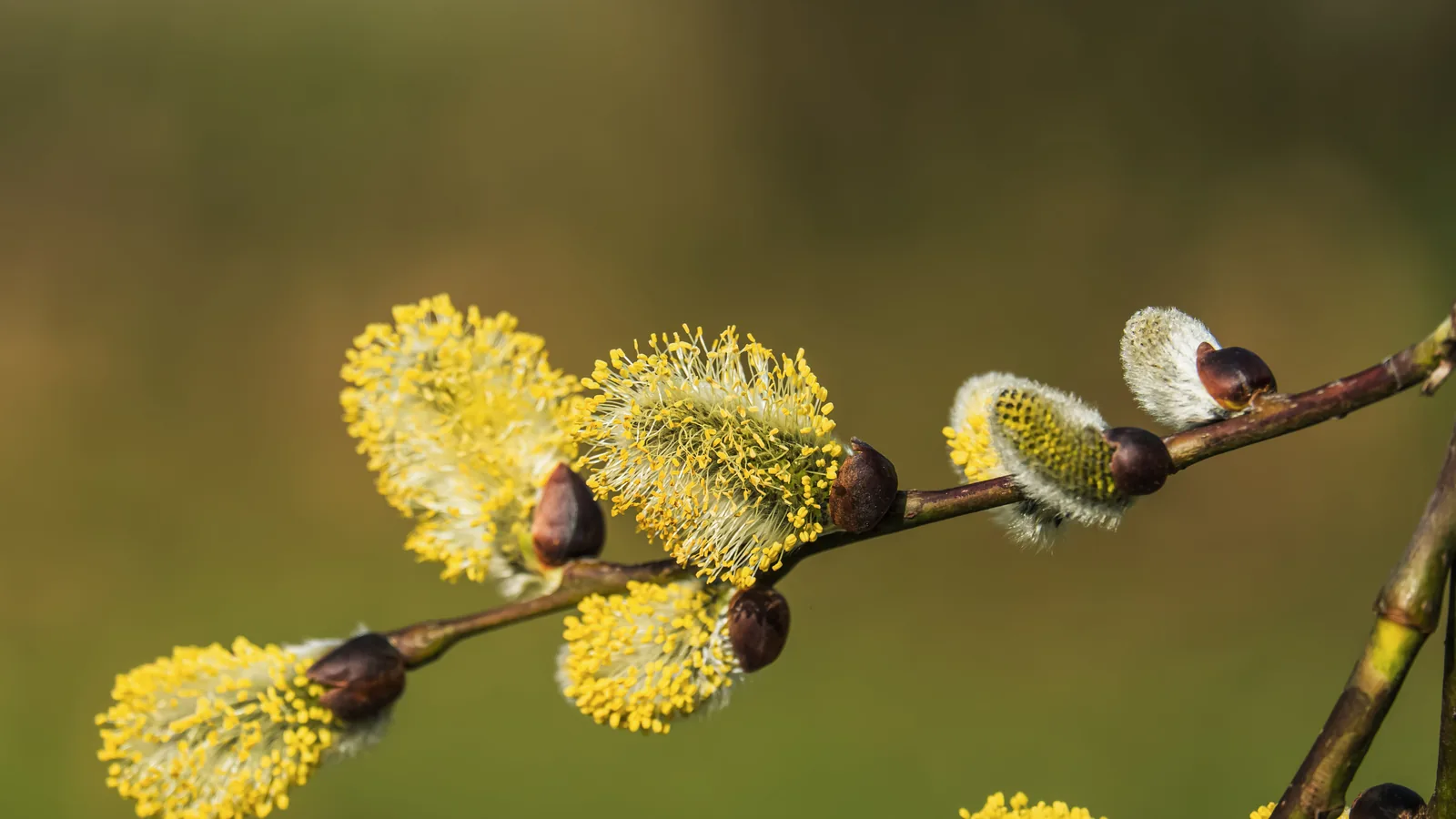
Pollen on a balcony in Florida is not one week in April. UF/IFAS says trees, grasses, and weeds overlap here, and the seasons run longer than in most of the country. The thick yellow dust on a rail is often pine, and pine is low-allergenic. The film still has to come off the glass. A wash in downtown Tampa or along Beach Drive lifts that film. It does not date your oak.
When does the dust actually show up here?
Not on a northern calendar. In most of the country, trees, grasses, and weeds take turns. Here they overlap, and the dusty weeks are more of them. A rail in downtown Tampa can carry a film in winter that a visitor from Ohio would call "too early." That visitor's calendar is the wrong one.
But in Florida, we have more frequent and longer pollen seasons.
Source: UF/IFAS, pollen and allergiesTrees generally work through spring and winter on this peninsula. Grasses run from spring into fall. Weeds can show in winter as well. That is the timeline the extension service published. It is not a promise that a Beach Drive rail and a Hyde Park oak will peak on the same Tuesday.
A visitor from a state with one spring week will misread a January film on a Channelside rail. The extension calendar is the one to use. It still will not name your building's peak day. Old Northeast oaks and a Water Street soffit can both carry dust in the same week and not for the same reason. One is the tree. The other is the tree plus a lid that never sees a rinse.
Pinellas waterfront rails pick up a salt-and-dust mix that a Hillsborough courtyard under an oak does not. The yellow is still a film. The salt is a separate guide. Photograph the shoe, where the dust settles in a line, and the glass, where it smears. Those two photos are enough to price the wash. A pollen-count screenshot is not.
Is the yellow dust the thing making you sneeze?
Often it is the visible one and not the allergic one. Pine lays down a thick yellow coat and is low-allergenic. Oaks and grasses can be the sneeze while you are blaming the dust you can see. Wash the dust because it films the glass. Do not treat the wash as an allergy plan.
On the contrary, pine tree pollen is low-allergenic.
Source: UF/IFAS, pollen and allergiesThe Saharan dust guide is a different plume, from across the Atlantic, and it is not this yellow coat. Do not mix the two when you text the photo. A west wind that turns the sky milk-colored is that other page. Yellow on the rail after a still morning under an oak is this one.
People wipe the shoe with a dry hand and then wonder why the glass looks worse. The dust is fine. A dry wipe moves it into the film instead of lifting it. A wet cloth, wrung out, kept on the slab, is the move. Rinse water does not go over the rail on a tower, in Tampa or in St. Petersburg. The bucket leaves through the unit.
What does the film do to glass and mesh?
It sticks, especially after a light rain that wets it and does not rinse it. On glass it becomes the haze a squeegee is for. On mesh it packs the weave until the lanai looks fogged. A dry wipe smears it. A wet wipe, kept on the slab, lifts it.
Pinellas rails that face the water get a salt-and-pollen mix. Hillsborough rails under an oak get more of the yellow. The glass method is the same either way: soak, then squeegee, no scrape. A blade on a filmed pane is how a light scratch becomes the thing a buyer notices in a listing photo. Leave the blade in the drawer.
Mesh holds the dust longer than glass. A lanai that faces a Hyde Park oak can look fogged in March and clear by a hard rain, then fogged again the next still week. That is not a failed wash. That is the tree doing what the extension page said trees do. Book the wash when you cannot see through the weave, not when a national map says the season has ended.
How should you time a wash around it?
| What you see | Likely source | What the wash does |
|---|---|---|
| Thick yellow on the rail | Often pine, low-allergenic | Lifts the film. Does not treat a sneeze |
| Fine dust you barely see | May be the allergenic fraction | Still a film on the glass |
| Dust after a hazy west wind | Could be Saharan, not local pollen | Same wash, different guide |
Book when you can see the film, not when a national map says "peak week." Those maps are not your balcony. Old Northeast oaks and a Channelside tower will not match. Harbour Island, a block from the water, can show a thinner coat than a courtyard two streets inland, because the breeze moves the dust and the oak does not. Write the exposure in the text. The week does not move the price.
A recurring visit through the dusty months is the same square-foot rate as a one-off. It is not a spring surcharge. If the film returns in ten days under a tree, that is the tree, and the next visit is still priced off the floor. Send a photo when it returns. Do not wait for a calendar you imported from another state. The week the dust arrived does not move the price.
Does a rainy week solve it?
A hard rain rinses an open rail and misses a covered one. The rainy season in this part of the state runs from late May into early October, and a storm can either clear the dust or paste it. Look after the storm, not during the forecast.
The storm guide is the order: look, photograph, then wash. Pollen pasted by rain is still a wash, not a repair. A covered rail in Channelside can hold that paste for a week after the sky clears. An open rail on Bayshore may already be rinsed. Check the shoe either way.
What should the photo include?
The rail, the glass, and the shoe, in daylight. Yellow on the shoe is enough for us to know the film is there. We do not need a pollen count. Harbour Island and a St. Pete courtyard send different colors. The price is the floor either way. A noon photo, with the sun behind the rail, shows the coat better than a photo taken from a dark living room.
If someone in the unit is miserable, that is a doctor, not a cleaner. We will still wash the rail.
Text a photo of the balcony if you want the visit priced before you book.
Text us a photoFrequently asked questions
Is yellow balcony dust always pine?
Often, and pine is low-allergenic. It is not a lab result. The film still comes off the glass.
Should I wash during the peak?
Wash when you can see the film. A national peak week is not your rail's calendar.
Will rain do it for me?
On an open rail, sometimes. Under a soffit, no. Check after the storm.
Is this the same as Saharan dust?
No. That plume is a different guide. Yellow local dust is this page.
Does pollen etch glass?
It films glass. Etching is a different damage, and a wash does not claim to reverse it.
Is the price higher in spring?
The rate is the floor all year. The week the dust arrived is not a surcharge.
Sources
- UF/IFAS Gardening Solutions, pollen and allergies. gardeningsolutions.ifas.ufl.edu
- National Weather Service, Tampa Bay rainy season. www.weather.gov